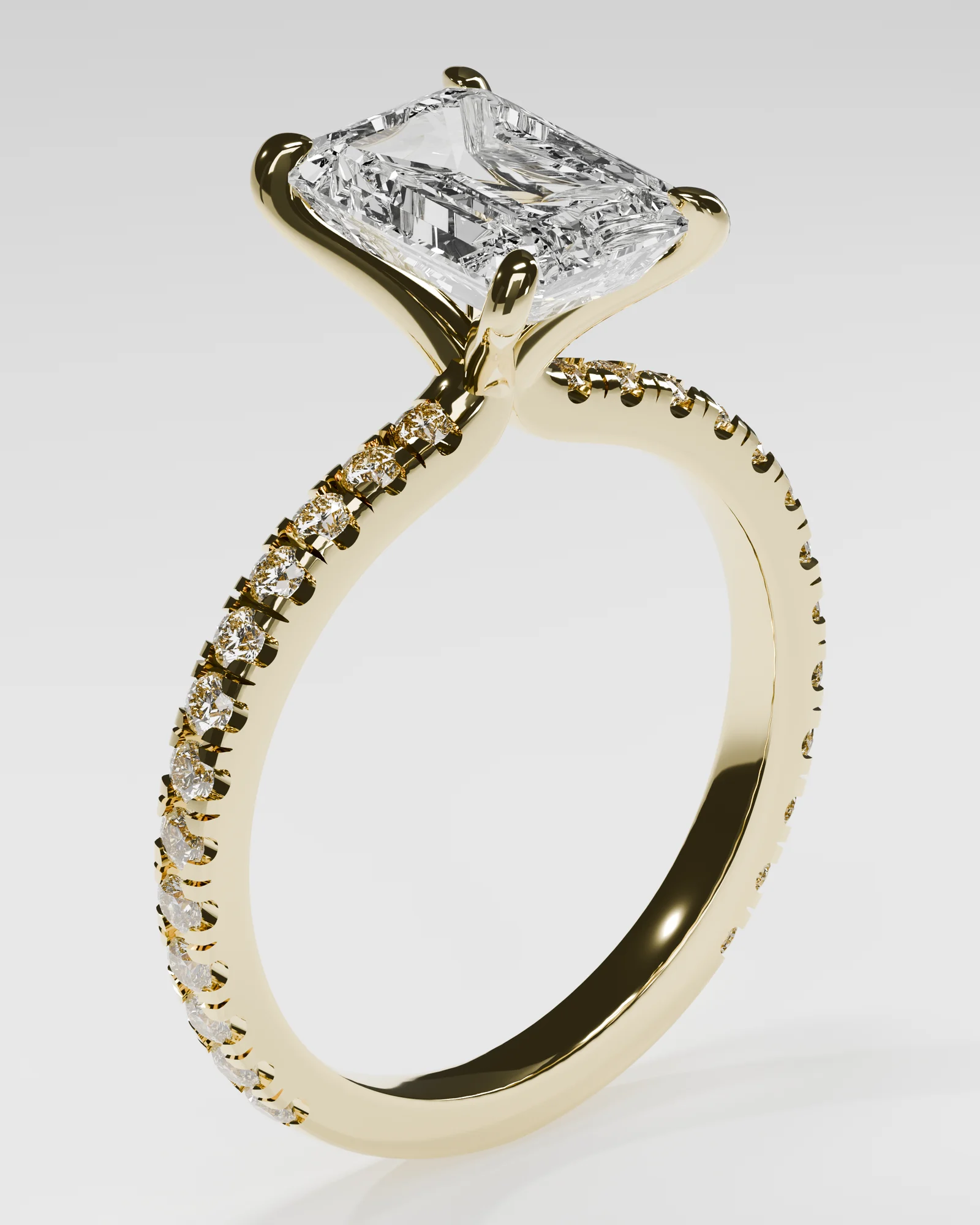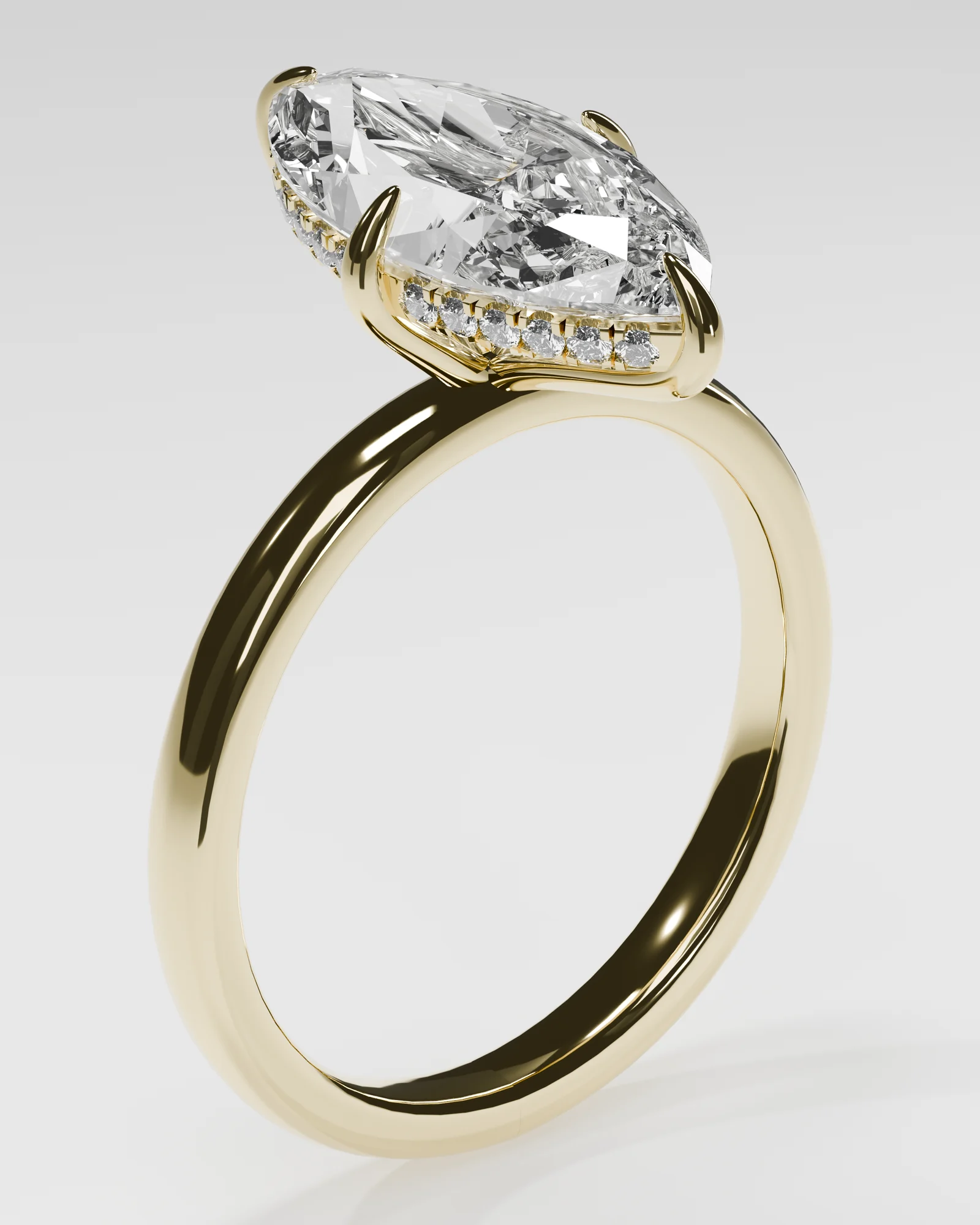
Lab-Grown or Natural Diamonds? How to Choose

Both are real diamonds. A laboratory-grown diamond has the same chemistry, hardness and fire as one formed in the earth, and once it is set, no one can tell them apart by eye. The difference is in their origin, and in what that origin means to you.

2 min readUpdated

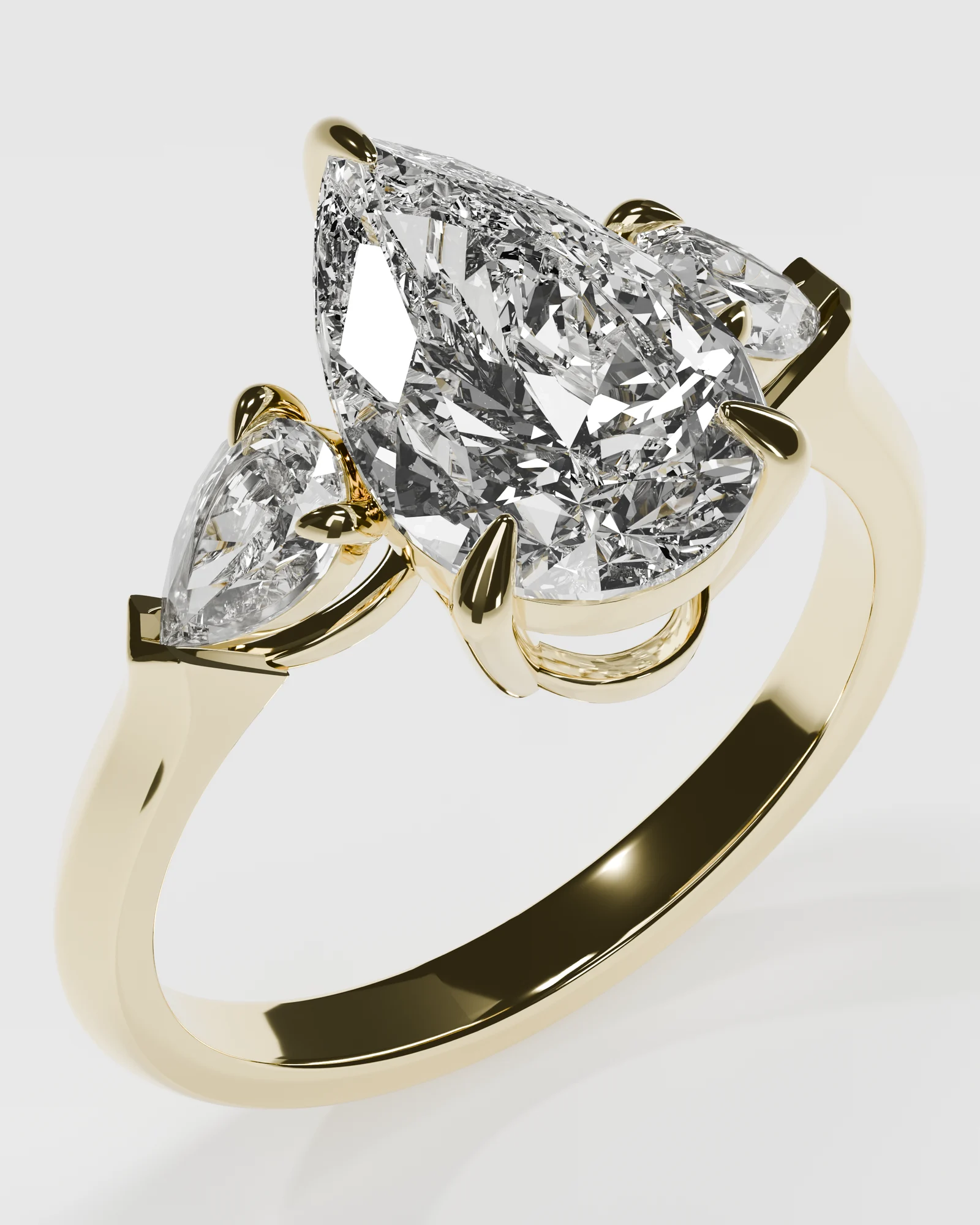
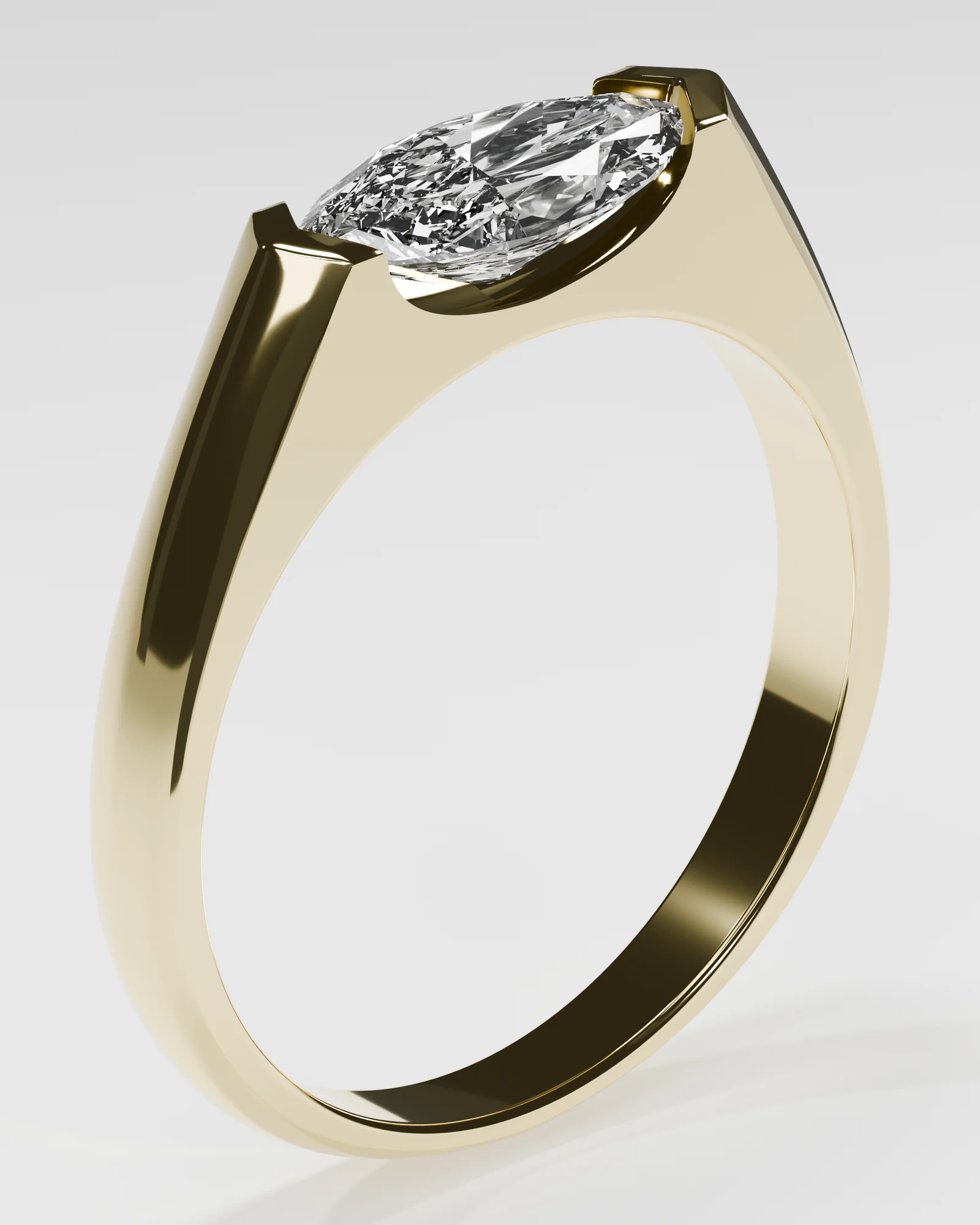
Pear Sonata
Pear Sonata, made with either diamond

Side by side

What is the same

  • Pure carbon

    The same crystal of carbon atoms, cut and polished by the same methods.

  • Top of the hardness scale

    Both score 10 on the Mohs scale, so both are made for everyday wear.

  • Graded the same way

    Cut, colour, clarity and carat are judged on the same scales for both.

  • The same sparkle

    Light moves through them the same way. Set in a ring, no one can tell them apart by eye.

The differences

Where they differ

FeatureNaturalLab-grown
OriginFormed in the earth over a billion yearsGrown in weeks, under the same heat and pressure
Certificate, larger stonesGIAIGI
Cost, same size and gradeHigherConsiderably lower
Value after purchaseLong-established marketGenerally lower

A natural diamond

A natural diamond formed deep underground over a billion years or more. Each one is a piece of the earth's own history, and for many people that rarity is part of what makes it meaningful. Larger natural diamonds come with a GIA certificate.

A laboratory-grown diamond

A laboratory-grown diamond is created in a matter of weeks, under the same intense heat and pressure that form diamonds in nature. For the same size and grade, it usually costs considerably less, which can mean a larger stone or a finer setting within the same budget. Larger laboratory-grown diamonds come with an IGI certificate.

How they wear

Exactly the same. Both are the hardest natural material known, suited to being worn every day for a lifetime, and both are cared for the same way.

Value over time

Natural diamonds have a long-established market. Laboratory-grown diamonds are newer, and their value after purchase is generally lower. If future value matters to you, we will talk it through with you.

Which is right for you?

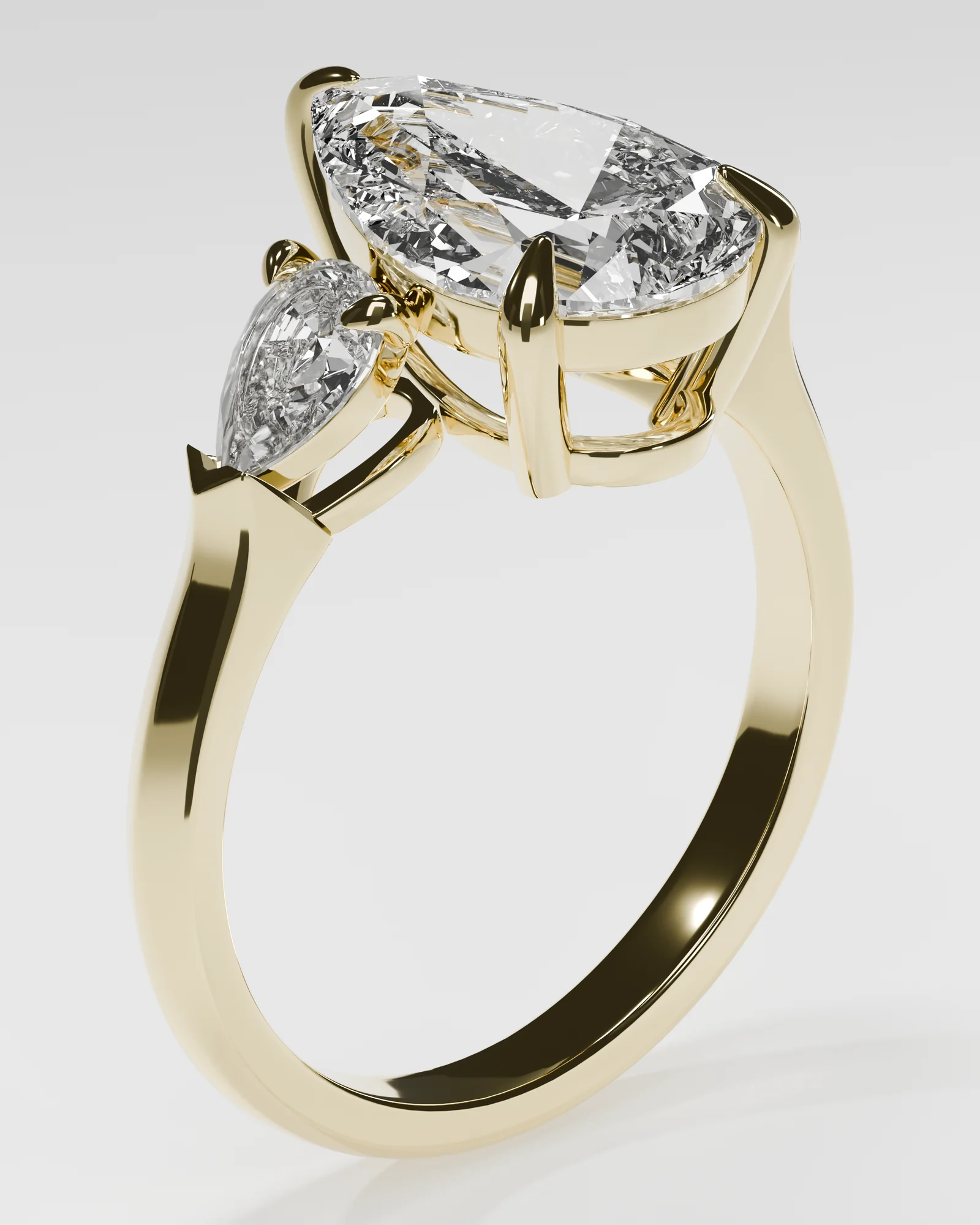
There is no wrong answer, only the one that feels right. Many people see both side by side before deciding. Every design on our website can be made with either, set in 18 carat gold.
Choosing for yourself

There is no wrong answer

A natural diamond may suit you if

  • Its rarity and age are part of what the ring means to you.
  • You see it as a piece to hand down, and value after purchase matters.
  • You would like a GIA certificate with a larger stone.

A lab-grown diamond may suit you if

  • You would like a larger stone or a higher grade for the same budget.
  • How the stone looks matters more to you than where it began.
  • You would rather put more towards the setting or a matching band.

Good to know

Your questions, answered

Is a lab-grown diamond a real diamond?

Yes. It is made of the same carbon crystal as a natural diamond, with the same hardness and sparkle. It is a diamond, not a simulant like cubic zirconia or moissanite.

Can anyone tell the difference?

Not by eye. A gemmological laboratory can tell them apart with specialist equipment, and the certificate states which one you have.

Do lab-grown diamonds last as long?

Yes. They are just as hard and are worn and cared for the same way as natural diamonds.

Which certificate comes with each?

Larger natural diamonds come with a GIA certificate, and larger lab-grown diamonds with an IGI certificate.

Can I choose either for any of your rings?

Yes. Every design on our website can be made with a natural or a lab-grown diamond, set in 18 carat gold.